All Categories
Featured
Table of Contents

Smart Inventory Systems in the local market
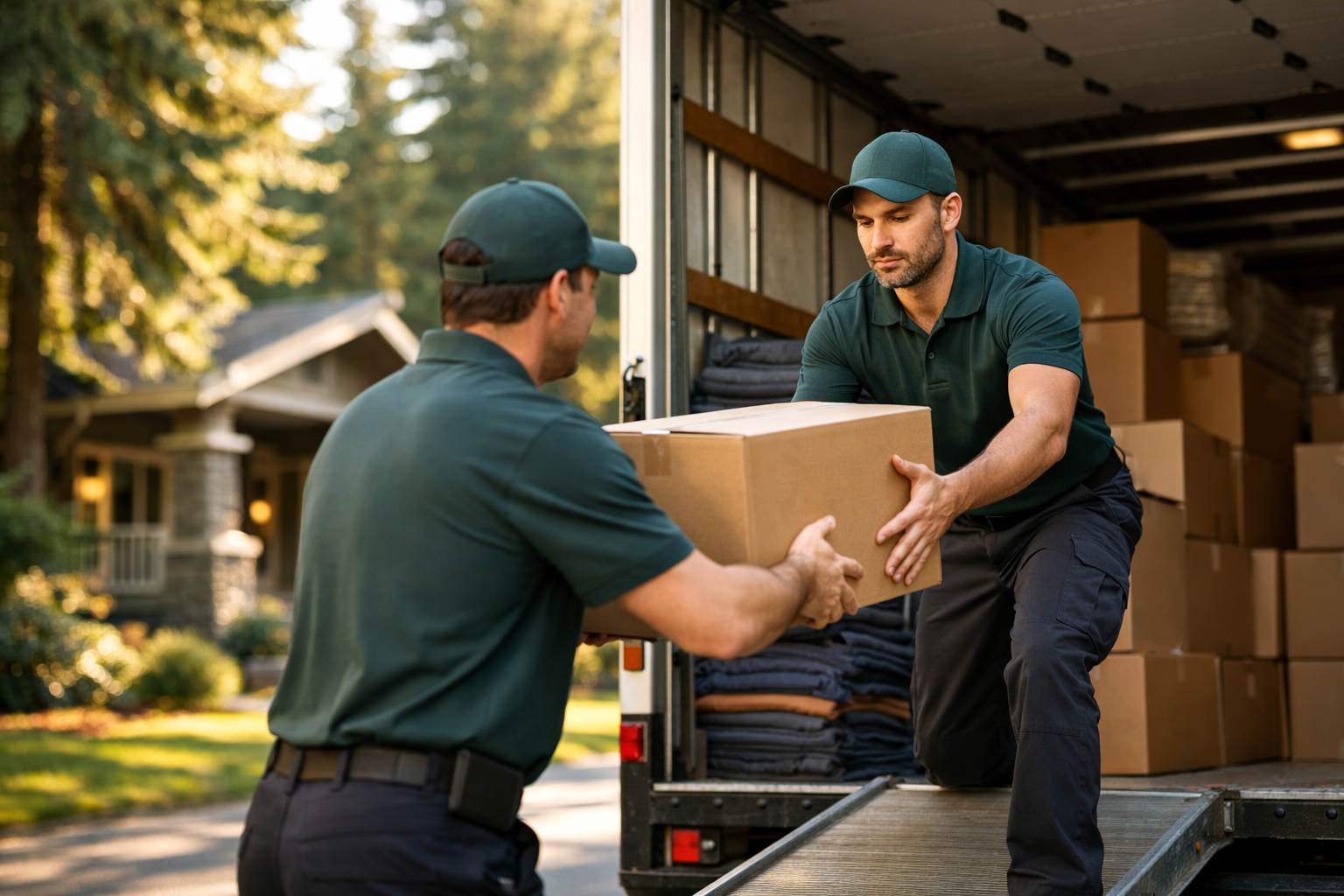
The requirement for residential relocation has changed substantially by 2026. Gone are the days of manual spreadsheets and unclear price quotes based upon room counts. Today, the procedure begins with spatial computing and computer system vision. House owners in the metropolitan area now use mobile applications that generate a three-dimensional digital twin of their living area. These tools properly calculate the cubic volume of every item, from the heavy sectional couch to the smallest kitchen area appliance. This accuracy allows logistics suppliers to assign the precise quantity of area needed in a car, lowering fuel waste and preventing the requirement for multiple journeys.
Reliance on Local Moving ensures that every variable, from present traffic patterns to local parking regulations in the region, is represented before the first box is taped shut. These systems do more than just list products. They analyze the fragility and weight distribution of the stock, suggesting particular packaging products and loading sequences. This level of detail has actually virtually eliminated the common disputes over "hidden" expenses that plagued the market in previous years. When the information is this clear, transparency becomes the default instead of a luxury.
The Increase of Climate-Controlled Autonomous Logistics
The year 2026 has seen a shift towards autonomous transport for long-distance hauls. While a human team still handles the fragile job of packing and unloading in the surrounding suburbs, the highway segments are typically handled by self-driving electrical fleets. These automobiles are geared up with advanced climate-control systems that are kept an eye on in real-time. For residents transferring to or from the local area, this means high-value electronics, great art, and temperature-sensitive wine collections are protected from the severe weather fluctuations that can happen during transit.
Logistics organizers now use predictive sensing units inside the cargo hold. These sensing units spot shifts in weight or modifications in humidity, immediately signaling the remote tracking team if a dog crate requires change. This technical oversight is part of a broader approach specialized handling. Specialists in residential relocation suggest that these technological safeguard have actually reduced freight damage claims by almost forty percent compared to the start of the years. The combination of innovation and physical labor has developed a more reliable environment for families transitioning in between homes.
Sustainable Packing and Modular Systems
Sustainability is no longer an afterthought in 2026. The industry has moved away from single-use cardboard and plastic tape. In the local region, professional movers now use modular, interlocking cage systems made from enhanced recycled composites. These bins are not only more durable than traditional boxes but also stack more efficiently, making the most of the internal volume of the moving truck. As soon as the relocation is complete, the cages are collected, sanitized, and put back into circulation, developing a circular economy within the logistics sector.
Because Reliable Local Moving Service has actually become a basic requirement for eco-conscious customers, companies are investing heavily in zero-emission equipment. Electric tailgates, solar-powered refrigeration units for food transportation, and biodegradable padding products are now common sights on domestic streets in the neighborhood. These modifications are driven by both consumer demand and stricter community regulations relating to carbon footprints in property zones. Moving day is no longer characterized by a idling diesel motor sitting outside a home for 8 hours.
Advanced Labor and Robotic Support
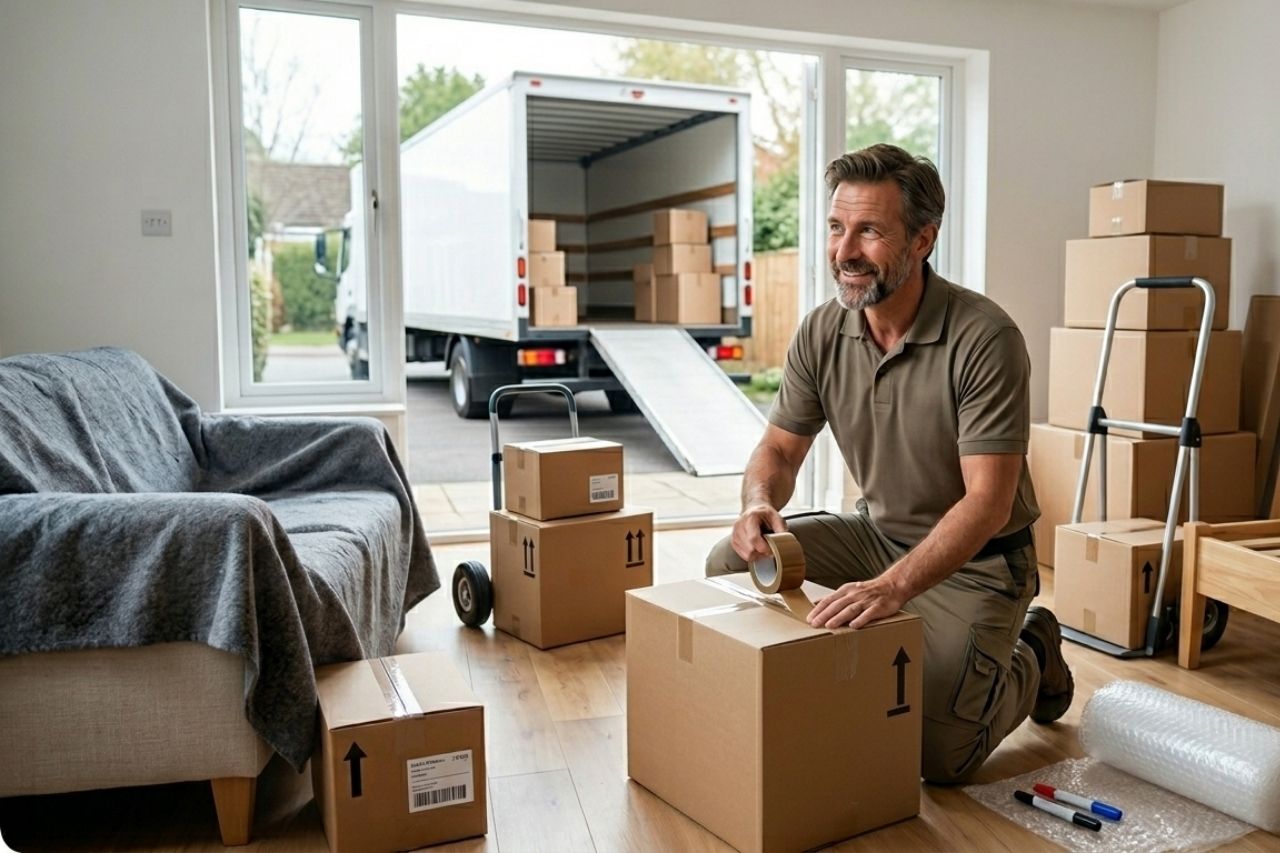
The physical needs of moving have actually been mitigated by the introduction of wearable innovation and robotic assistants. Expert crews in the local area often wear light-weight exoskeletons that minimize the pressure on the lower back and knees when lifting heavy furniture. This innovation permits a smaller sized team to accomplish more in less time while significantly decreasing the risk of work environment injuries. It also indicates that heavy products like grand pianos or marble-top tables can be managed with much higher accuracy and less risk of scuffing walls or doorframes.
In addition to wearable tech, small self-governing dollies are frequently utilized to navigate narrow hallways and elevators. These units can "follow" a mover or be set to browse a particular course from the living-room to the truck ramp. By 2026, the image of 4 individuals having problem with a heavy armoire is ending up being an antique of the past. Instead, a single professional utilizing a specialized moving tool can guide heavy loads with minimal effort, focusing more on the protection of the item than the raw strength needed to move it.
Strategic Scheduling and Dynamic Prices
Logistics in 2026 likewise include highly sophisticated scheduling algorithms. Similar to the airline market, moving services now use vibrant pricing based upon need, weather report, and regional events in the local region. Carrying on a Tuesday morning in the middle of a calm weather week is significantly more economical than a holiday weekend. Property owners are using these data points to plan their transitions months beforehand, securing much better rates and ensuring the schedule of the best-rated crews.
Real-time tracking has likewise developed. Clients no longer get a four-hour window for arrival. Instead, they get a GPS-synced alert that supplies a specific arrival time based on the team's development at their previous stop. This level of communication reduces the stress connected with moving day, permitting locals of the local market to manage their time better. Whether it is collaborating the arrival of a cleansing service or satisfying an utility technician, the precise timing provided by modern logistics platforms makes the entire day run more like a choreographed event than a disorderly scramble.
The Role of Specialized Moving Logistics

Complexity in modern-day homes requires specialized knowledge. With the occurrence of wise home systems, home theaters, and internal charging stations for electric automobiles, moving includes more than simply raising furnishings. Crews must typically be certified to deconstruct and re-install complicated technical setups. This has actually resulted in a rise in specific niche services within the regional market that cater particularly to state-of-the-art homes. These specialists make sure that when a household gets to their brand-new house, their network is secure, their wise devices are synced, and their technical facilities is all set for immediate usage.
The development of moving services in 2026 shows a wider pattern toward data-driven, sustainable, and person-centered logistics. By integrating the precision of AI with the skill of tech-enabled specialists, the industry has actually managed to turn among life's most demanding occasions into a manageable, efficient process. The focus has shifted from the mere transportation of products to the total management of a home transition, making sure that the physical relocation is as modern-day as the homes being occupied.

Latest Posts
Cushioned Precision: Utilizing 3D Scanning for Customized High-Value Crates
Financial Methods for Improving Large Business Relocations